Philip Guston: From Abstract Art to Realistic Paintings
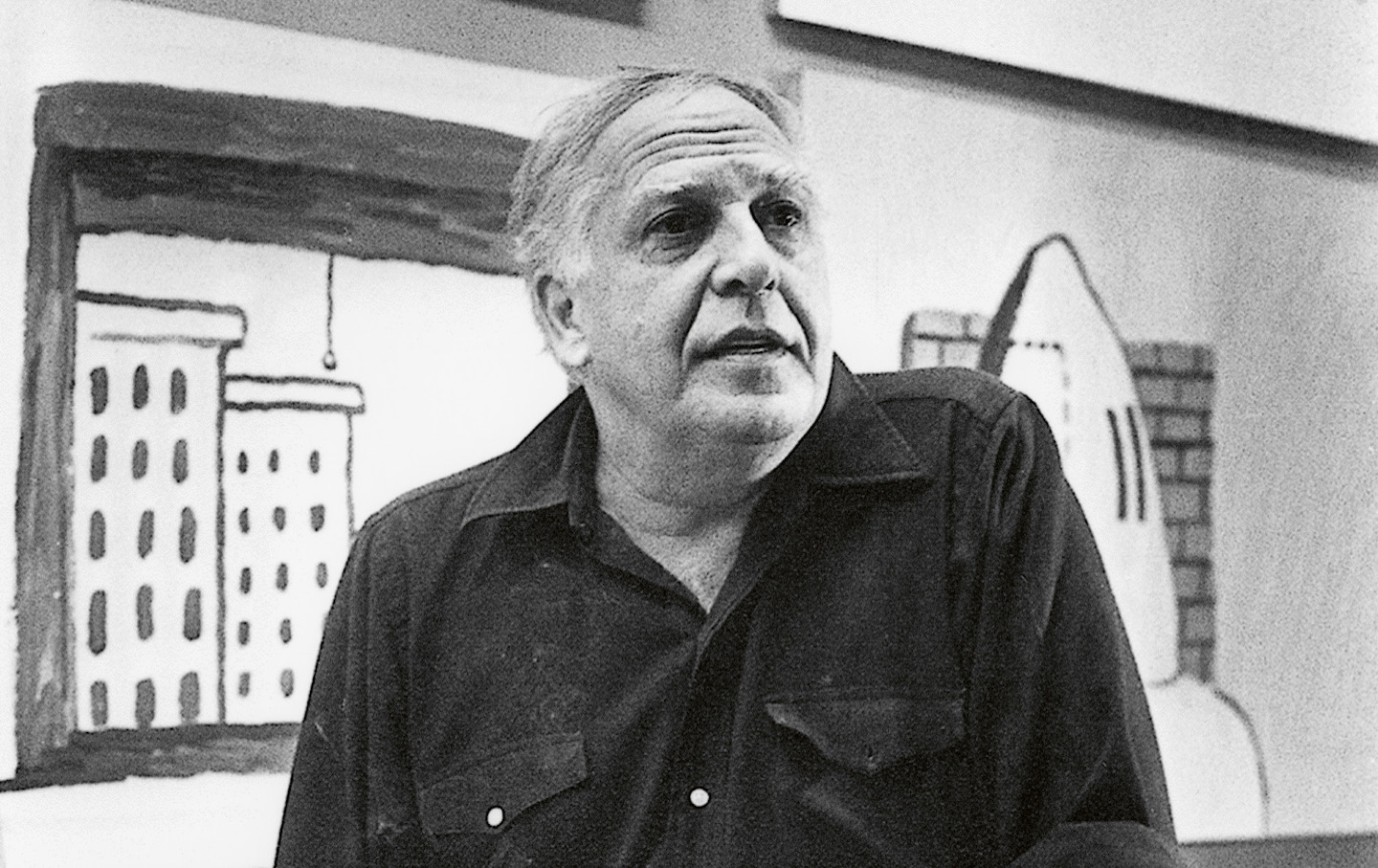
Philip Guston was a major artist in the 20th century. He began making abstract art but later switched to painting more realistic, figurative pieces. His move from abstract expressionism to figurative art was a big shift. This blog post looks at how his art changed and compares it with the work of other famous artists like Jackson Pollock, Mark Rothko, Andy Warhol, and Claude Monet. By comparing their different styles and ideas, we can better understand what made Guston’s art special in the world of modern art.
Philip Guston’s Early Abstract Art
Guston began his art career by working with abstract shapes, bold brushstrokes, and rough textures. He was part of the Abstract Expressionist group, including artists like Jackson Pollock and Willem de Kooning. Guston’s early abstract paintings used large brushstrokes and bright colors to show strong emotions.
One of his important abstract paintings is The Studio (1969), Guston, which uses chaotic shapes and thick paint to express deep feelings. However, over time, Guston felt that abstract art didn’t connect enough with real life. While Pollock’s splattered paint and de Kooning’s figures focused on the act of painting itself, Guston wanted his art to have more personal meaning.

Philip Guston’s Shift to Figurative Art
In the late 1960s, Guston moved away from abstract art and began making paintings that showed more recognizable images, like hoods, clocks, shoes, and heads. These images were drawn in a cartoonish style. This change caused some controversy because many critics felt it went against the ideas of modern art.
In his later paintings, like The Studio (1969), Guston used symbols to discuss issues like guilt, feeling alone, identity, and social justice. These works were more emotional than his abstract art, showing that Guston wanted to address real-life problems and personal struggles.

Contrasting Philip Guston with Jackson Pollock
Jackson Pollock is known for his drip paintings, in which paint is splattered onto the canvas energetically. His painting No. 5, 1948, shows this style, with layers of paint creating a chaotic rhythm that reflects his emotions.
In comparison, Philip Guston’s early abstract paintings were more controlled. While both artists used abstract art to express feelings, Guston focused more on careful brushstrokes and texture, while Pollock’s work was about letting go of energy and emotion. Guston’s abstract paintings were more thoughtful and reflective, while Pollock’s were spontaneous.

Contrasting Philip Guston with Mark Rothko
Mark Rothko is known for his color field paintings, in which large blocks of color create a calm experience. His painting Orange, Red, Yellow (1961) is a good example, with glowing colors that make the viewer feel something deep inside.
Philip Guston, on the other hand, was much rougher with his abstract art. His works, like Zone, had more chaos, unlike Rothko’s peaceful color fields. Rothko wanted to make the viewer feel calm, while Guston’s early abstract paintings were full of personal emotion.
When Guston started painting realistic images, his art became focused on social issues, while Rothko’s art stayed focused on the emotional power of color. Rothko’s peaceful and quiet paintings are very different from Guston’s symbolic works.

Contrasting Philip Guston with Andy Warhol
Andy Warhol was part of the Pop Art movement, which focused on consumer culture and mass media. Warhol’s famous works, like Campbell’s Soup Cans (1962) and Marilyn Diptych (1962), use repeated images to comment on how products and celebrities are turned into commodities. His art is often ironic, reflecting the world of mass production.
Philip Guston, on the other hand, used personal symbols to explore deeper emotions like fear and guilt. While Warhol’s art celebrates consumer culture and mass media, Guston’s works deal with serious issues like race, identity, and social justice. Warhol’s art often feels superficial, while Guston’s paintings focus on real-world struggles.

Contrasting Philip Guston with Claude Monet
Claude Monet was a leading figure in the Impressionist movement, known for his beautiful landscapes like Impression, Sunrise (1872). Monet’s paintings focus on capturing light and color in nature, often with loose brushstrokes.
In contrast, Philip Guston was more focused on symbols and personal meaning. His later paintings address tough topics like personal guilt and social issues, while Monet’s work is about the beauty of nature. Monet’s art is calm and peaceful, while Guston’s art confronts uncomfortable truths.
Monet’s Impressionism is more focused on how things look in a moment, while Guston’s figurative works are more about what those moments, both personally and socially.

Conclusion
Philip Guston’s artistic journey—from abstract expressionism to symbolic paintings, shows how his art changed to reflect personal and societal concerns. By comparing his work with that of Jackson Pollock, Mark Rothko, Andy Warhol, and Claude Monet, we can see how Guston’s shift from abstraction to figuration made his art unique. While Pollock and Rothko focused on the emotional impact of abstraction, Warhol on consumer culture, and Monet captured the beauty of nature, Guston’s work used symbolism and addressed issues like identity, guilt, and social justice.
Guston’s later figurative paintings stand as a powerful example of how art can evolve to reflect the artist’s changing understanding of the world. His work continues to inspire and provoke, making him one of the most important figures in modern art.

Comments
Post a Comment